
Driving an Automatic Car: 5 Top Tips
If you are a learner driver, someone switching from a manual gearbox for the first time, or just a bit nervous about the change, you’ve come to the right place. Driving an automatic car is widely considered much simpler than driving a manual, but if you’ve spent years manoeuvring a gear stick, the transition can feel a bit strange at first.
At Car Synergy, we help drivers across Leeds and West Yorkshire find the perfect vehicle that suits their lifestyle. Whether you’re commuting into Leeds city centre or heading out toward the Dales, this guide will explain exactly how to drive an automatic vehicle and provide five simple tips for driving an automatic car to help you feel confident behind the wheel.
Is it Easy to Drive an Automatic Car?
Yes, most drivers find that driving an automatic car is significantly easier and less stressful than driving a manual. The primary reason is the absence of a clutch pedal. You don’t need to worry about finding the "biting point" or stalling at a busy junction on the Headrow. Because the car handles the gear changes for you, you can keep your focus entirely on the road ahead. This makes driving an automatic car especially popular for city driving, as well as for those moving into the world of hybrids and Electric Vehicles (EVs), which are almost exclusively automatic.
How to Drive an Automatic Vehicle (Step-by-Step Guide)
If you are new to driving an automatic vehicle, follow this simple walkthrough to get moving safely.
Before You Start the Car
Adjust your seat and mirrors: Ensure you are comfortable and have clear visibility.
Identify the pedals: You only have two. The wide pedal on the left is the brake; the thinner one on the right is the accelerator.
Check the gear selector: Ensure the lever is in the P (Park) position.
Foot on the brake: Place your right foot firmly on the brake pedal before starting the engine.
Starting the Car
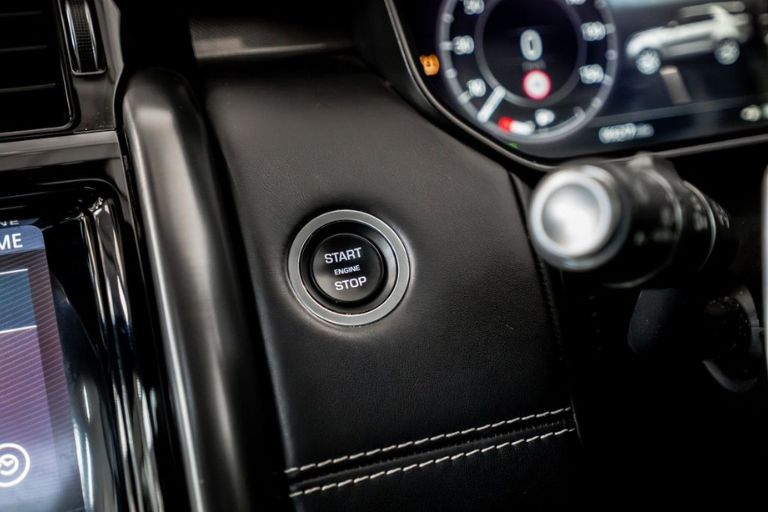
Turn the key or press the 'Start' button.
Keep your foot on the brake and check your dashboard for any warning lights.
Moving Off
With your foot still on the brake, move the gear selector to D (Drive).
Release the handbrake (or electronic parking brake).
Slowly lift your foot off the brake. You will feel the car begin to "creep" forward gently.
Gently apply the accelerator to increase your speed.
Stopping and Parking
Brake smoothly until the car comes to a complete stop.
Keep your foot on the brake and apply the handbrake (or electronic parking brake).
Move the gear selector into P(Park).
Switch off the engine.
Understanding Automatic Gear Positions
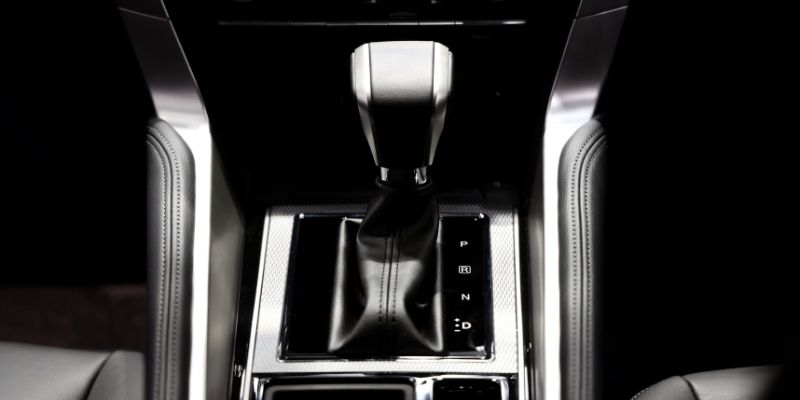
Most modern automatics use a traditional "PRND" layout:
P – Park: Use this only when you are stopped and leaving the car. It locks the transmission.
R – Reverse: For backing up. Only select this when the car is at a total standstill.
N – Neutral: Disengages the gears. It’s rarely used in daily driving but is helpful if the car is being towed or pushed.
D – Drive: This is for normal driving of an automatic car. The car will automatically select the best gear for your speed.
Tip 1 – Use Only One Foot
One of the most important automatic car driving tips is to tuck your left foot away. In a manual car, your left foot is constantly busy with the clutch. In an automatic, it has no job.
Use your right foot only for both the brake and the accelerator. A common mistake for beginners is trying to use the left foot for the brake, which often leads to emergency stops because the left foot is used to the heavy pressure required for a clutch. Keeping your left foot firmly on the the footrest improves safety and control.
Tip 2 – Let the Car Do the Work
Automatic cars have a feature known as "creep." When you are in Drive or Reverse and take your foot off the brake, the car will move slowly on its own without you touching the accelerator.
This is one of the best driving an automatic car tips for navigating heavy Leeds traffic or performing tricky parking manoeuvres. You can control your speed in tight spaces simply by easing on and off the brake pedal. It also makes hill starts a breeze, as the car is less likely to roll backwards.
Tip 3 – Always Come to a Complete Stop Before Changing Gear
To protect your vehicle, never switch between Drive and Reverse while the car is still moving. Doing so can cause significant internal wear to the transmission.
Whether you are three-point turning or backing into a driveway, ensure the wheels have stopped turning completely before moving the gear lever. This simple habit will help you avoid expensive repairs down the line.
Tip 4 – Park an Automatic Car Properly
When you finish your journey, follow this sequence:
Brake to a stop.
Apply the handbrake (or electronic parking brake).
Shift to P (Park).
Doing it in this order ensures the weight of the car is held by the handbrake rather than the "parking pawl" (a small metal pin) in the transmission. This is especially important when parking on the steep hills often found around West Yorkshire.
Tip 5 – Focus on Smooth Driving
The key to driving an automatic vehicle efficiently is smoothness. Because there is no manual interruption in power, you can maintain a very steady pace.
Smooth acceleration: Don't floor the pedal; let the car find the right gear naturally.
Smooth braking: Anticipate the road ahead to avoid sudden stops.
This not only makes the ride more comfortable for your passengers but also improves your fuel efficiency and reduces wear on your brake pads.
Automatic vs Manual Cars – What’s the Difference?
Feature | Automatic | Manual |
Ease of driving | Very easy | More skill required |
Traffic driving | Relaxed and effortless | Can be tiring (constant shifting) |
Learning curve | Short and simple | Longer (mastering the clutch) |
Popularity | Increasing rapidly | Declining in new models |
Pros and Cons of Driving an Automatic Car
Pros
Less Stressful: Great for busy commutes and city driving.
Easier to Learn: No need to master gear ratios and clutch control.
Standard for Modern Tech: If you want a hybrid or EV, you’ll be driving an automatic car.
Cons
Purchase Cost: Automatics can be slightly more expensive than their manual counterparts.
Maintenance: Gearbox repairs can be more complex, though modern automatics are very reliable.
Is an Automatic Car Right for You?
If you are a city commuter who hates the "stop-start" ache of a manual clutch, or a new driver looking for the fastest way to gain confidence, an automatic is a fantastic choice. At Car Synergy, we offer a wide range of reliable, vetted automatic vehicles with transparent, honest pricing and flexible finance solutions to suit your budget.
Ready to make the switch?
Frequently Asked Questions
Is it easy to drive an automatic car?
Yes. Most drivers find automatic cars much easier to drive than manual vehicles. There’s no clutch pedal and no need to change gears manually, which makes driving simpler and less stressful, especially in traffic.
Are electric and hybrid cars automatic?
Yes. Almost all electric and hybrid cars are automatic, as they don't require a traditional multi-speed manual gearbox.
Can learners take their driving test in an automatic car?
Yes, but be aware that you will receive an "automatic-only" licence. If you want to drive a manual car later, you would need to retake your test.
Is an automatic car good for city driving?
Absolutely. They reduce driver fatigue and make navigating busy urban environments much smoother.