
Driving An Automatic Car For The First Time
At Car Synergy, we know that driving an automatic car for the first time can feel like a big step. Whether you're switching from a manual or starting fresh, this guide is designed to ease your nerves and help you feel confident.
Automatic cars are known for their simplicity and ease—perfect for new drivers or anyone seeking a smoother ride. Read on for five practical tips that make driving an automatic car for the first time a breeze.
Why Driving an Automatic is Easier Than You Think
If you're used to driving a manual, the idea of removing the clutch and gear stick from the equation might seem strange. But that's exactly what makes automatics easier. Without a clutch pedal, gear changes are managed by the car itself, which reduces both the physical and mental effort needed to drive.
In busy urban traffic, automatics shine. There's no need to constantly shift up and down—just press the accelerator and brake as needed. This ease of use makes them ideal for learners and for those who want a less stressful driving experience.
The Different Types of Automatic Gearboxes
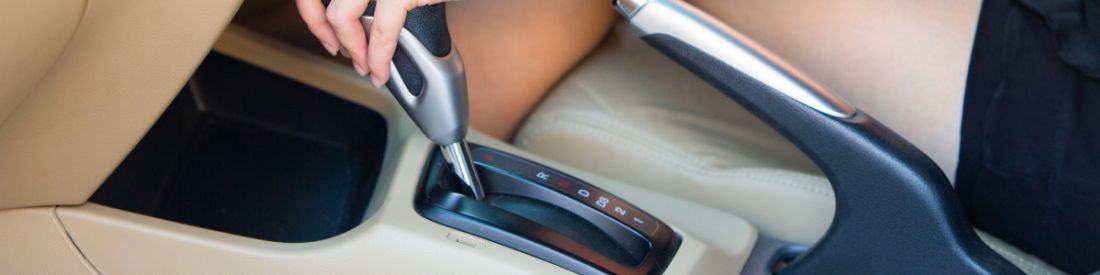
Understanding the type of gearbox in your automatic car can help you make the most of its features. Here are the main types:
Traditional Automatic (Torque Converter)
Uses hydraulic fluid to shift gears smoothly.
Common in many vehicles and known for reliability.
CVT (Continuously Variable Transmission)
Offers seamless acceleration without traditional gear steps.
Often found in hybrid and fuel-efficient vehicles.
DCT (Dual-Clutch Transmission)
Provides quick and smooth gear changes.
Common in performance-oriented cars.
Automated Manual Transmission (AMT)
Mechanically similar to a manual but shifts gears automatically.
Typically more affordable but may have less smooth gear changes.
Shop our range of automatic cars today!
Our Top 5 Tips for Driving an Automatic Car for the First Time
#1 Understand the Gear Basics
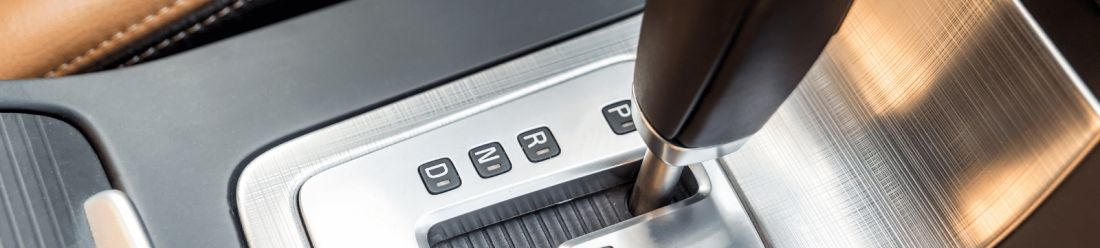
Before you set off, it's important to understand the basic gear positions:
P (Park): Used when the vehicle is stationary.
R (Reverse): For backing up.
N (Neutral): Disengages the engine from the wheels.
D (Drive): For moving forward.
Some automatics also have manual modes ("+/-") for those who want more control, but they’re optional and not necessary for everyday driving.
#2 Get Familiar Before You Start
Take a few moments to adjust your seat, mirrors, and steering wheel. Make sure you can reach the pedals comfortably—remember, there are only two: the accelerator and the brake. Sit in the driver’s seat and familiarise yourself with the car’s controls. Feeling comfortable before you drive an automatic car for the first time can significantly boost your confidence behind the wheel.
#3 Use Your Right Foot Only
One common mistake new automatic drivers make is using both feet. In an automatic, always use your right foot for both the accelerator and brake. This helps you maintain better control and prevents accidental braking while accelerating.
#4 Keep It Smooth and Steady
Automatic cars are designed to make driving easier, but that doesn’t mean you should be heavy-footed. Use gentle acceleration and braking for the smoothest experience. Also, be aware that automatic cars often "creep" forward slowly when in drive—even if you’re not pressing the accelerator. This feature is particularly helpful for manoeuvring in traffic or parking.
#5 Practice in a Quiet Area First
Before heading onto busy roads, take your new automatic car to a quiet street or empty car park. This gives you a chance to get used to how the car responds without the pressure of traffic. With just a little practice, driving an automatic car for the first time will become second nature.
Common Questions About Driving an Automatic Car
Is it easier to pass a driving test in an automatic?
Yes, many learners find automatics simpler, which can make it easier to focus on road awareness rather than gear changes.
Can you still stall an automatic?
It's very rare. Automatics manage gear changes for you, so stalling is unlikely unless there’s a mechanical issue.
Is an automatic car good for long journeys?
Absolutely. The reduced driver effort and smooth gear transitions make automatic cars excellent for long-distance driving.
Ready to Hit the Road? Here's How Car Synergy Can Help
Whether you're just starting your journey with automatics or ready to upgrade, Car Synergy is your trusted partner every step of the way. Explore our diverse selection of automatic vehicles, discover flexible finance options tailored to your needs, and connect with our friendly team for expert, personalised guidance.
Make your transition seamless and stress-free—because when it comes to learning how to drive an automatic car for the first time, Car Synergy is here to ensure you hit the road with confidence. Contact us today!