

Fuel Types Explained: What’s the Best Fuel?
Choosing the best fuel for your car is essential for efficiency, cost savings, and environmental impact. With various fuel types available in the UK, understanding their differences can help you make an informed decision. The UK offers a variety of fuel types, from petrol and diesel to hybrid, electric, and alternative fuels. In this guide fuel types are explained to help you assess the advantages and drawbacks of each option, so you can make an informed decision when buying a vehicle.

What Are the Different Fuel Types Available in the UK?
Types of Petrol (Unleaded & Super Unleaded) – The UK's Most Common Fuel
Unleaded Petrol (E10)
There are many different types of petrol in the UK, unleaded petrol (E10) was introduced in 2021, replacing E5 fuel as the standard petrol grade.. It contains 10% ethanol, which helps to reduce CO2 emissions. This fuel is compatible with most petrol cars built since 2011, but it may cause issues in older engines that are not designed for higher ethanol content.
Best for: Small to mid-size petrol cars, commuters, and short trips.
Super Unleaded Petrol (E5)
Super unleaded petrol (E5) contains 5% ethanol and has a higher octane rating, making it ideal for high-performance or classic vehicles. Although it is more expensive, it can improve fuel economy and enhance engine performance in compatible cars.
Petrol Fact: Performance vehicles often require E5 to avoid long-term engine damage. Check your vehicle manual to confirm compatibility.
Diesel – Efficient for Long Distances
Standard Diesel
Standard diesel offers better fuel economy than petrol, making it ideal for high-mileage drivers. However, it emits more nitrogen oxides (NOx), which contribute to air pollution and are subject to stricter regulations in ULEZ and Clean Air Zones across the UK.
Premium Diesel
Premium diesel contains engine-cleaning additives that help maintain engine health. It may enhance performance and longevity, although it typically comes at a higher cost than standard diesel.
Best for: SUVs, vans, long-distance drivers, and towing.
Diesel Fact: Diesel cars are facing increasing restrictions in UK cities due to higher emissions. Check your city’s ULEZ or Clean Air Zone rules before buying a diesel vehicle.
Hybrid Vehicles – A Step Towards Electric
Self-Charging Hybrid (HEV)
Self-charging hybrids (HEVs) combine a petrol or diesel engine with an electric motor. They generate energy through regenerative braking, allowing the battery to recharge during driving. These vehicles require no external charging, offering a convenient and fuel-efficient option for drivers.
Plug-in Hybrid (PHEV)
Plug-in hybrids (PHEVs) feature a larger battery that can be charged via mains electricity, enabling the vehicle to drive on pure electric power for short distances. They are best suited for mixed driving, such as combining short electric trips with longer petrol or diesel journeys, making them ideal for city drivers transitioning towards full electric vehicles.
Best for: Drivers who want efficiency but aren’t ready to go full electric.
Hybrid Fact: PHEVs can save you money on fuel, but only if you regularly charge them. Otherwise, the added battery weight reduces efficiency.
Electric Vehicles (EVs) – Zero-Emission Driving
Battery Electric Vehicles (BEVs)
Battery electric vehicles (BEVs) are powered solely by electricity, producing zero tailpipe emissions. They are generally cheaper to run than petrol or diesel vehicles, though they come with higher upfront costs.
Plug-in Hybrid Electric Vehicles (PHEVs)
Plug-in Hybrid Electric Vehicles (PHEVs) offer a compromise between traditional fuel and electric power. They can run on battery power alone for 20–50 miles before switching to petrol or diesel, making them highly versatile for varied driving needs.
Charging Infrastructure in the UK
The UK boasts over 53,000 charging points as of March 2024, making electric vehicle adoption more convenient than ever. Additionally, there are government grants available for home chargers, helping drivers reduce setup costs and improve home charging access.
Best for: Eco-conscious drivers, city commuters, and those with access to charging.
EV Fact: Fully electric cars are exempt from road tax (VED) until 2025 but may be subject to fees after this date.
What’s the Best Fuel for My Car?
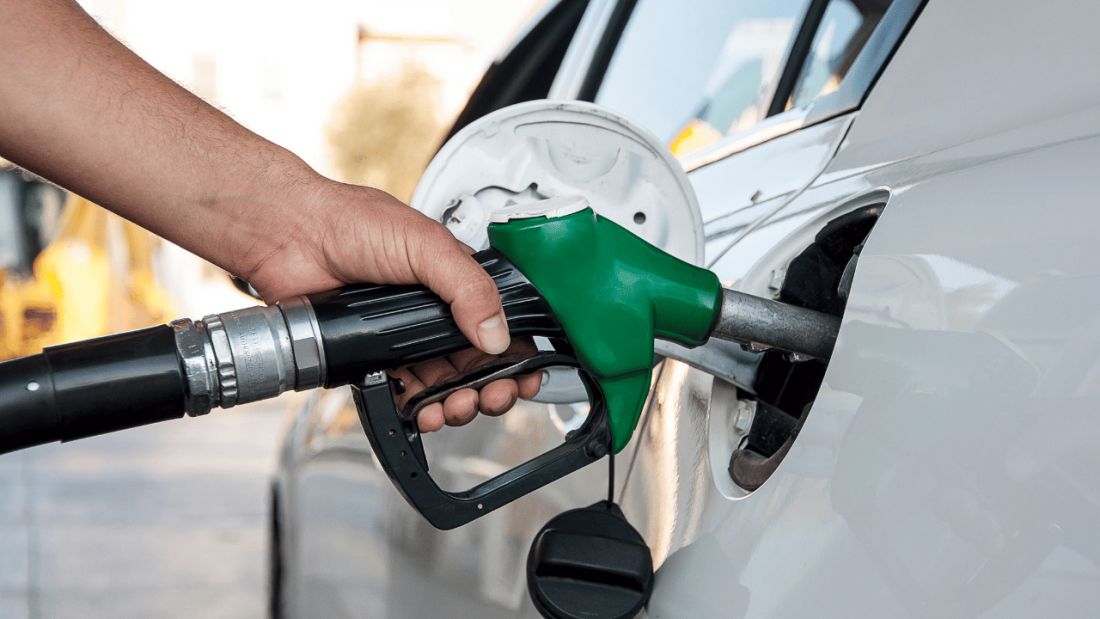
How to Choose the Right Fuel
Follow manufacturer guidance for compatibility.
Consider fuel economy vs upfront vehicle cost.
Think about ULEZ and future regulations.
Assess charging/fuel station access in your area.
The "best fuel" varies depending on your driving habits, location, and budget.
Find the Right Car for You
Whether you drive mostly in the city, on the motorway, or a mix of both, your ideal fuel type depends on how and where you drive. From petrol and diesel to hybrid and electric options, the UK offers a range of choices to suit all drivers. This section helps break down the different types of fuel and how they match various driving lifestyles:
Petrol: Best for daily city use and short journeys.
Diesel: Best for long-distance and high-mileage drivers.
Hybrid: Great for those wanting to reduce emissions without going full EV.
Electric: Best for eco-conscious drivers with charging access.
Car Synergy has a wide range of used cars to match your needs, from petrol hatchbacks to SUVs. We offer competitive finance options, flexible part-exchange deals, and trusted warranties and customer service to make your car buying journey smooth and reliable. Contact us today!