
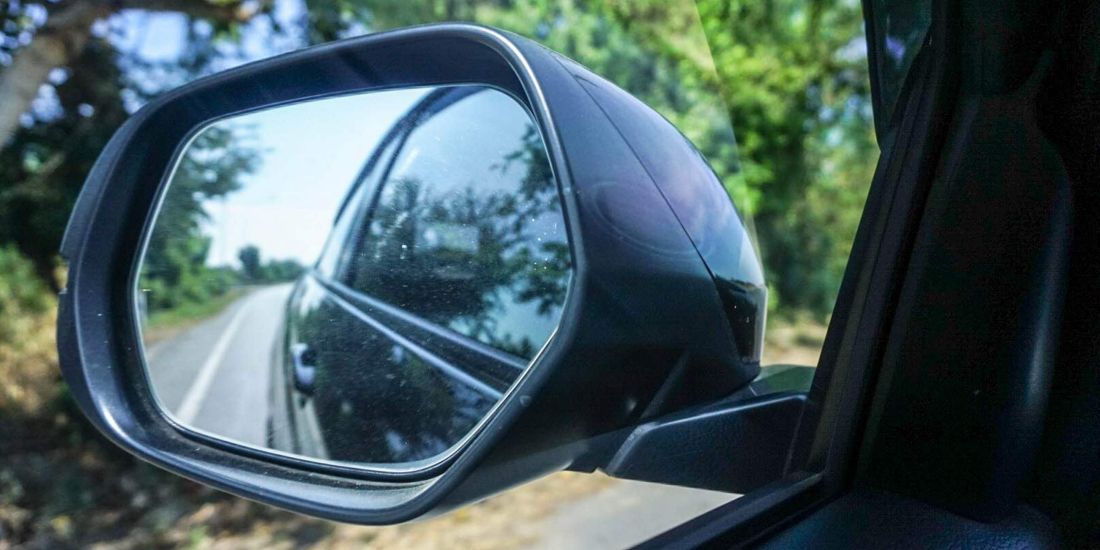
Staying relaxed when driving long journeys
Driving can be a tense and stressful time for some people; you sometimes have to navigate roads you’re unfamiliar with, negotiate vast amounts of traffic, other vehicles and so much more. There’s a lot that goes into driving, and you want to make sure you’re in the calmest state to make decisions effectively and promptly, to reduce the risk of you reacting too late and potentially causing an accident.
If you want some life changing tips to help improve anxiety and provide relaxation while you’re driving on longer journeys, continue reading.
Be comfortable
You want to be wearing comfortable clothing that’s loose fitting so they’re not too constricting. Wear comfortable shoes that leave you with good contact on the pedals - don’t wear flips flops or high heels. This is so not only do you have good contact with the pedals, but you can easily rotate your ankles and work the pedals.
As well as this, when you’re sitting in the vehicle, make sure the seat is adjusted correctly. The seat should be back far enough so that you have a nice bend in the elbow when you place your hands on the steering wheel.
The distance should also be so that when you place your foot behind the pedals, there is a slight bend in your knees. This way, you’ll have good contact with the pedals and won’t be stretching.
Clean the vehicle
It’s essential to remove all rubbish and unnecessary items and distractions out of the vehicle to help keep you focused on the most important thing; driving. Ensure all the windows are cleaned thoroughly so you can see properly, and organise your space so you can easily reach for anything you need without diverting your attention.
You want to be in an organised environment to help project that calm and stress free feeling onto you while driving.
Practice
Go back to basics and find a quiet spot so you can practice getting to grips with all the controls in your vehicle. This way, you can take everything at your own pace and get comfortable with how the steering feels and responds, the accelerator and the braking.
Also go over where your hazard light is, the signalling, where to turn the lights on and how to operate these, the wipers, the heat, defrost and air conditioning - all those types of things.
Reducing fear and anxiety around driving on long journeys is all about you becoming familiar with the vehicle and becoming comfortable with it.
Reduce distractions
Ensure your phone is out of sight, whether that be by putting it in your bag or in the boot. Also turn the stereo down because sound is a very important part of driving and can mean the difference between a safe and stress free journey or an overwhelming and anxious one.
Breathe, and relax
Be conscious not to hold your breath as this can increase tension, instead you want to make sure you’re breathing the whole time. Breathe in through your nose, until you feel it go all the way to your stomach, then breathe out slowly through the mouth.
Another trick is to tense your muscles up for 5-10 seconds and then release, as this will help relieve some of the tension and angst you’re holding in your body. Make sure you do this before you set off driving though, and not whilst you’re driving.
Plan your route
Before you go on your journey, take some time to plan your route and figure out where you're heading. Of course, sat navs are useful when driving, but if you plan ahead of time to see how your route appears, such as where all the right and left turns or roundabouts are located, you'll be more prepared when they suddenly appear and help you make a quicker decision.